

Sustainable Warehousing: Eco-Friendly Practices That Save Costs
Sustainable warehousing is rapidly becoming a priority for businesses worldwide as companies seek to reduce their environmental impact while improving operational efficiency. Warehouses, traditionally energy-intensive facilities, are now evolving with innovative, eco-friendly practices that not only protect the planet but also lower operating costs. Embracing sustainability in warehousing operations makes financial sense and strengthens a company’s reputation among increasingly environmentally conscious customers and partners.
One of the most effective eco-friendly practices is optimizing energy consumption. Warehouses often require significant lighting, heating, cooling, and machinery operation, which can lead to high energy bills and carbon emissions. Installing energy-efficient LED lighting combined with smart sensors that automatically adjust brightness based on occupancy or daylight can drastically reduce electricity use. Additionally, implementing energy management systems helps monitor consumption patterns and identify areas for improvement.
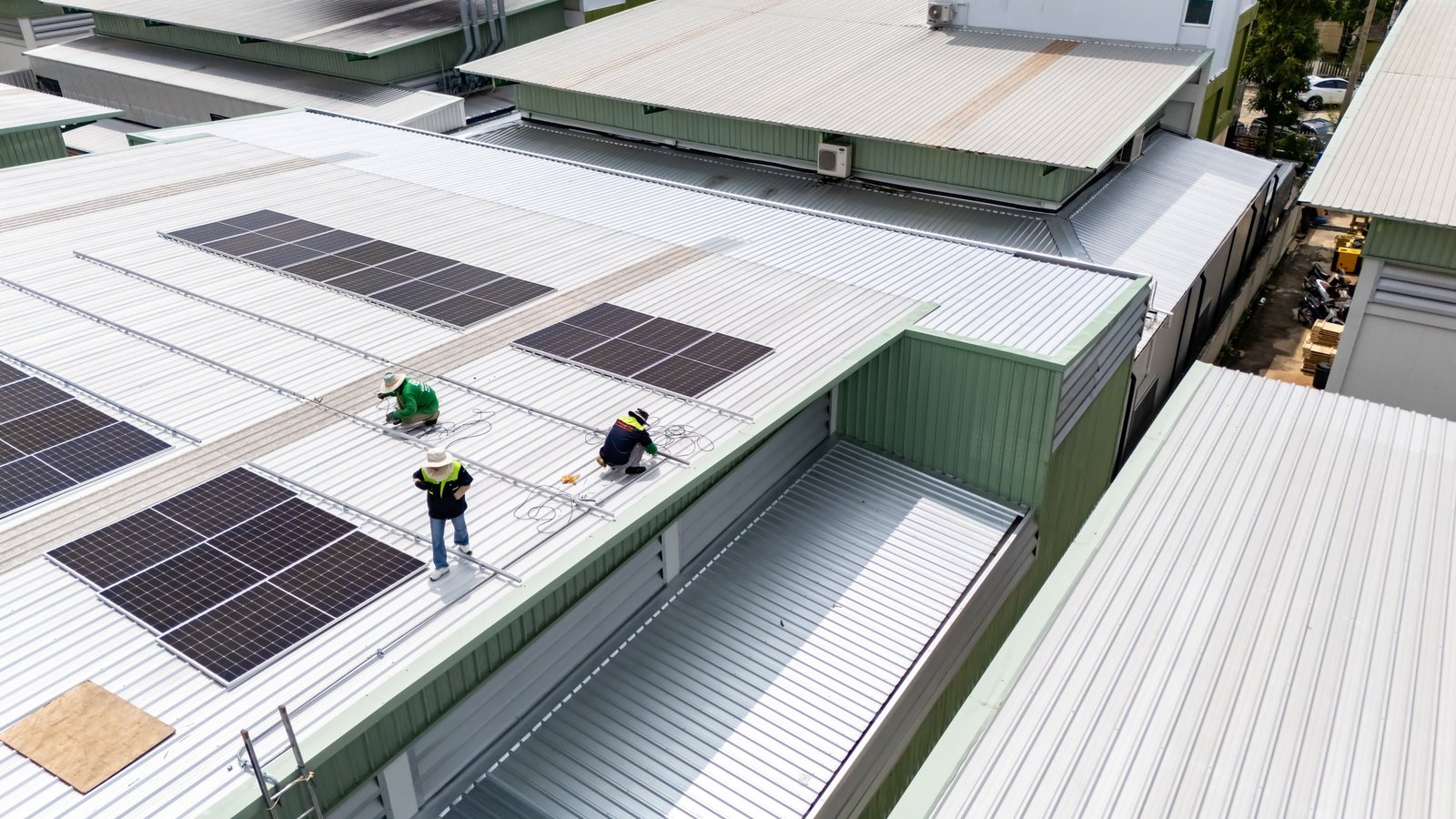
Another important approach is integrating renewable energy sources. Many warehouses now invest in solar panels or wind turbines to generate clean power on-site. This not only cuts reliance on fossil fuels but can also lower electricity costs in the long run. In the Netherlands, where sustainability initiatives are supported by government incentives, companies like Gota Warehouse can take advantage of such programs to enhance their green credentials and achieve cost savings simultaneously.
Sustainable building design plays a crucial role in reducing environmental impact. Modern warehouses utilize better insulation materials, reflective roofing, and natural ventilation systems to maintain comfortable temperatures with minimal energy. Using recycled or locally sourced construction materials also reduces the carbon footprint associated with building and renovation projects.
Waste reduction is another pillar of sustainable warehousing. By adopting lean inventory management techniques and improving demand forecasting, warehouses can minimize excess stock that might otherwise go to waste. Recycling programs for packaging materials and reducing single-use plastics help decrease landfill contributions. Some warehouses also implement composting systems for organic waste generated by staff or certain product lines.
Water conservation measures are increasingly common, especially in facilities that use water for cleaning or cooling. Installing low-flow fixtures, harvesting rainwater, and recycling greywater for non-potable uses are practical ways to reduce water usage and lower utility costs.
Technology also supports sustainability efforts. Warehouse management systems (WMS) can optimize space utilization, reducing the need for excessive storage expansion and associated environmental costs. Automated equipment, like electric forklifts, reduces emissions compared to traditional diesel-powered machinery. Furthermore, data analytics can help identify inefficiencies in workflows that contribute to unnecessary energy consumption or waste generation.
Implementing sustainable practices often requires upfront investment, but the long-term benefits include substantial cost savings, improved regulatory compliance, and enhanced brand loyalty. For companies like Gota Warehouse, which owns and operates their facility in the Netherlands, sustainability aligns with both corporate responsibility and operational excellence.
In summary, sustainable warehousing blends environmental stewardship with economic efficiency. By focusing on energy management, renewable power, smart building design, waste reduction, water conservation, and technology integration, warehouses can significantly reduce their ecological footprint while cutting costs. Embracing these eco-friendly practices is not just a trend—it’s a smart business strategy for the future.